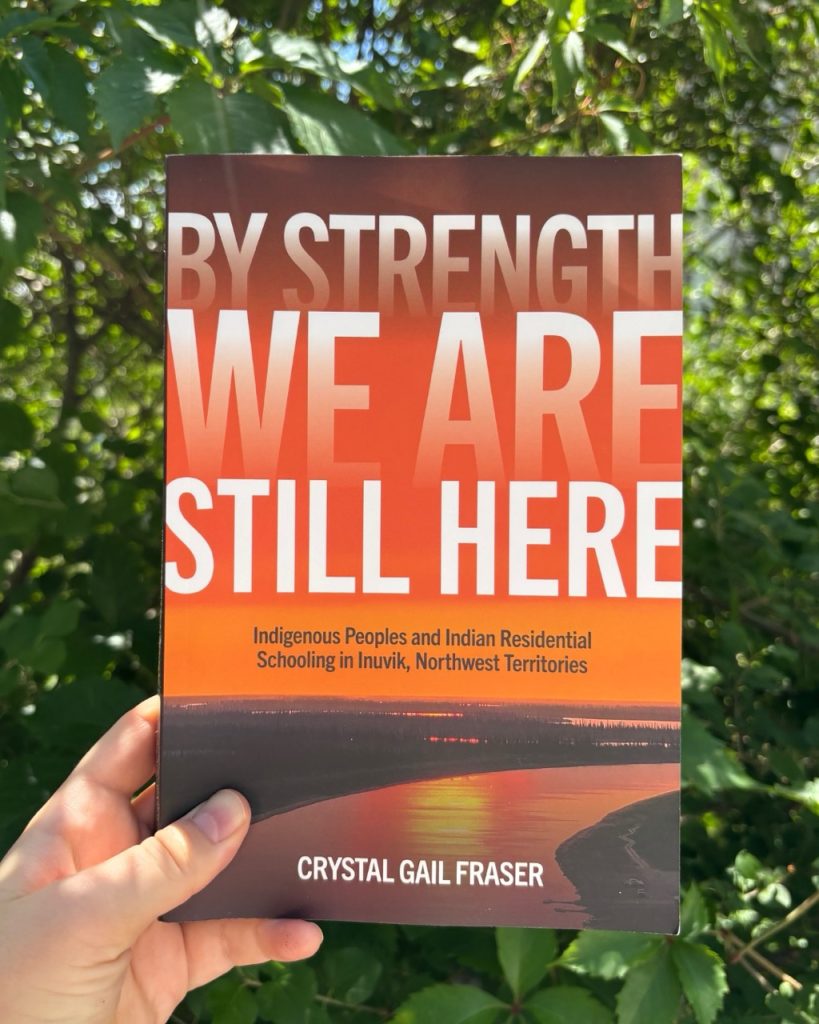
Longlist #1: Crystal Gail Fraser’s By Strength, We Are Still Here

In this ground-breaking book, Crystal Gail Fraser draws on Dinjii Zhuh (Gwich’in) concepts of individual and collective strength to illuminate student experiences in northern residential schools, revealing the many ways Indigenous communities resisted the institutionalization of their children.

After 1945, federal bureaucrats and politicians increasingly sought to assimilate Indigenous northerners—who had remained comparatively outside of their control—into broader Canadian society through policies that were designed to destroy Indigenous ways of life. Foremost among these was an aggressive new schooling policy that mandated the construction of Grollier and Stringer Halls: massive residential schools that opened in Inuvik in 1959, eleven years after a special joint committee of the House of Commons and the Senate recommended that all residential schools in Canada be closed.

By Strength, We Are Still Here shares the lived experiences of Indigenous northerners from 1959 until 1982, when the territorial government published a comprehensive plan for educational reform. Led by Survivor testimony, Fraser shows the roles both students and their families played in disrupting state agendas, including questioning and changing the system to protect their cultures and communities.

Centring the expertise of Knowledge Keepers, By Strength, We Are Still Here makes a crucial contribution to Indigenous research methodologies and to understandings of Canadian and Indigenous histories during the second half of the twentieth century.
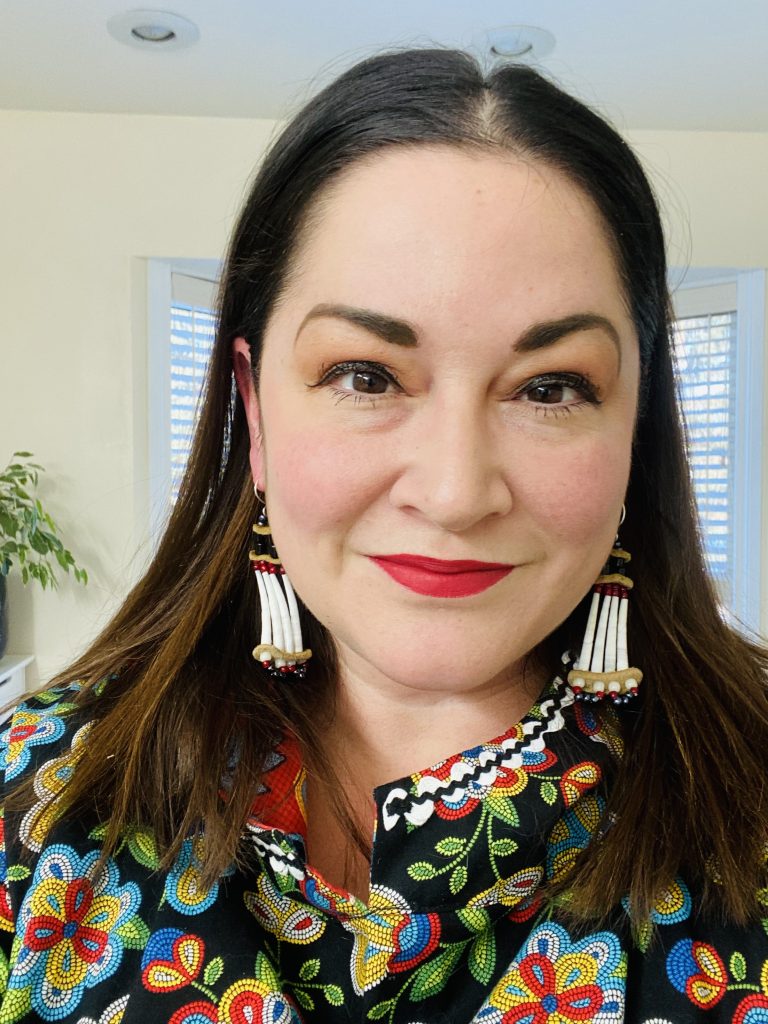
Crystal Gail Fraser is Gwichyà Gwich’in and has Scottish and English ancestry. Originally from Inuvik and Dachan Choo Gę̀hnjik (Tree River), Northwest Territories, Crystal works as a historian and Indigenous studies scholar in the amiskwacîwâskahikan (Edmonton) region, on Treaty 6 and Métis Lands.
JW Dafoe Book Prize Longlist 2025

We’ve had a number of exceptional titles entered this year and we would like to highlight as many of these authors as possible. We will once again be featuring a longlist and shortlist.

Thank you to our jurors Dale Barbour, Patricia Bovey, and Gregory Mason.

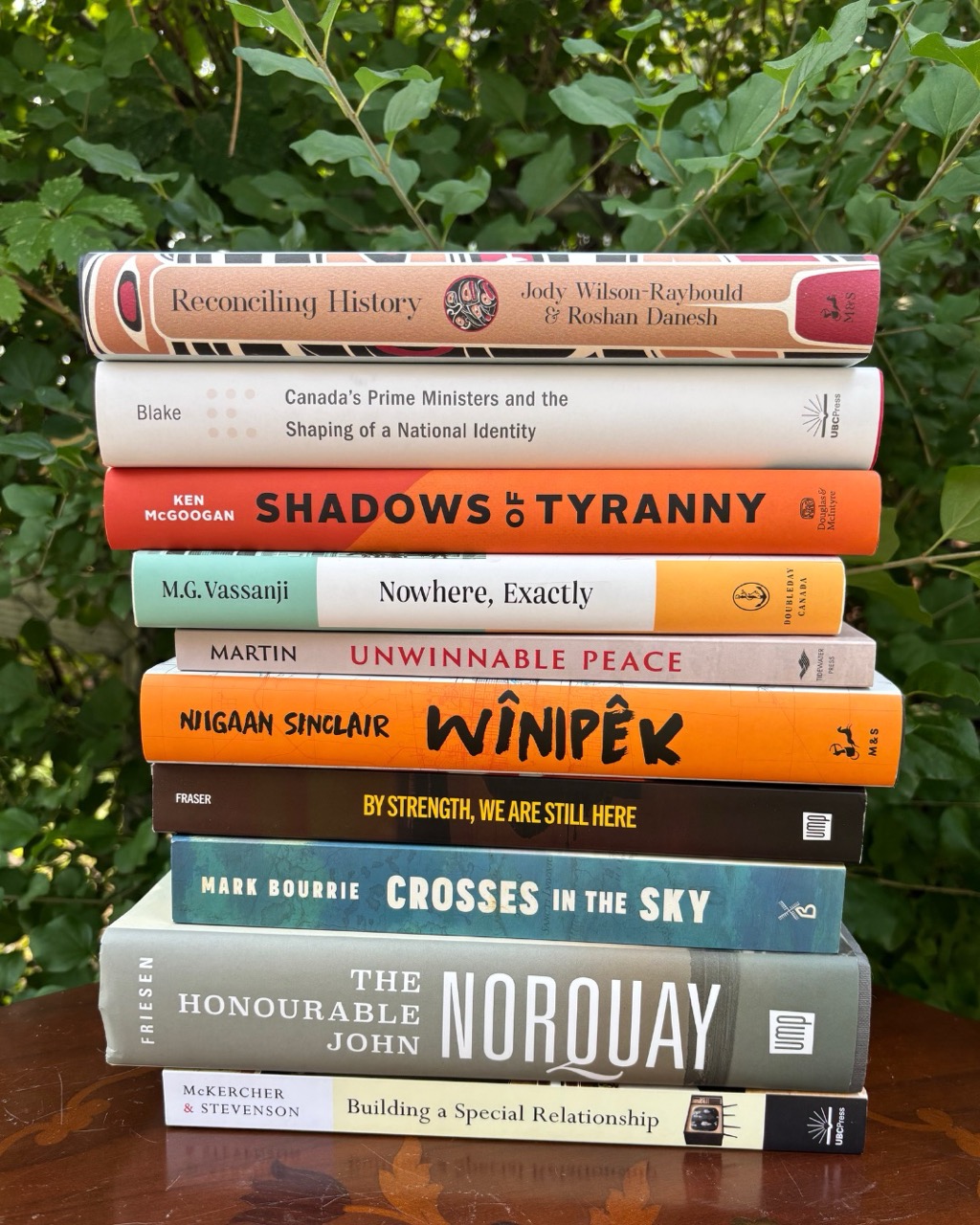
2025 Longlist

Crystal Gail Fraser’s By Strength, We Are Still Here
Jody Wilson-Raybould and Roshan Danesh’s Reconciling History: A Story of Canada
Raymond B. Blake’s Canada’s Prime Ministers and the Shaping of a National Identity
Asa McKercher and Michael D. Stevenson’s Building a Special Relationship: Canada-US Relations in the Eisenhower Era, 1953–61
M.G. Vassanji’s Nowhere, Exactly
Gerald Friesen’s The Honourable John Norquay
Ken McGoogan’s Shadows of Tyranny: Defending Democracy in an Age of Dictatorship
Mark Bourrie’s Crosses in the Sky: Jean de Brébeuf and the Destruction of Huronia
Tim Martin’s Unwinnable Peace: Untold Stories of Canada’s Mission in Afghanistan
Niigaan Sinclair’s Wînipêk: Visions of Canada from an Indigenous Centre

Meet the 2025 J.W. Dafoe Book Prize Jurors!

The John Wesley Dafoe Foundation is happy to introduce the jurors for 2025 J.W. Dafoe Book Prize!

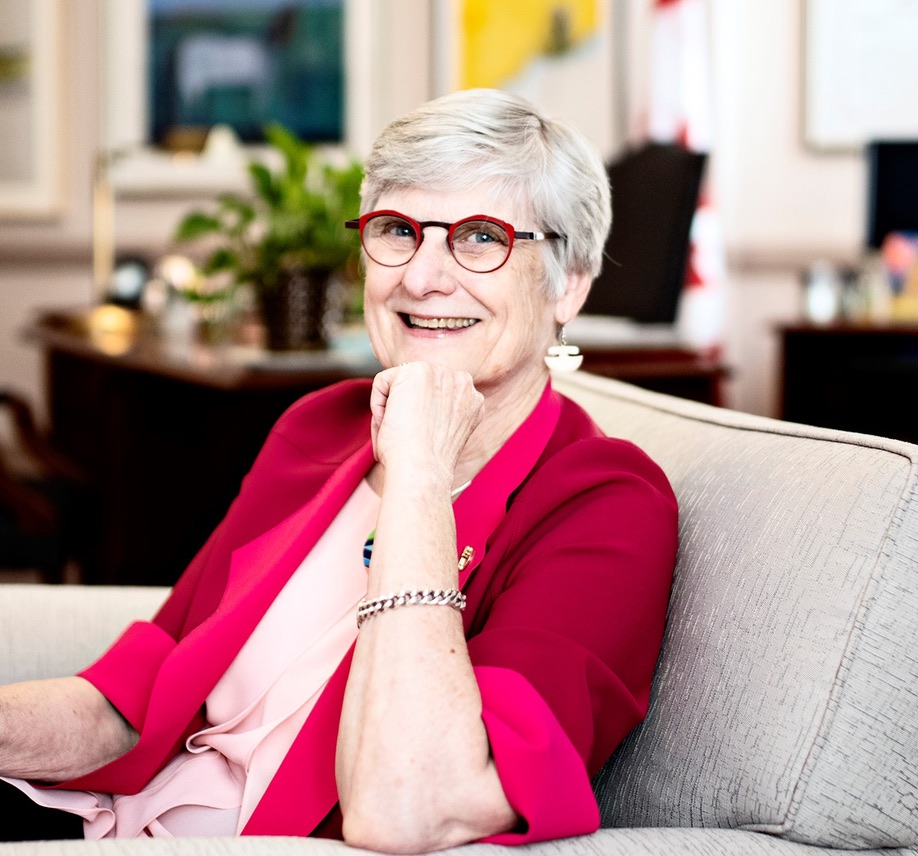
This year, Patricia Bovey, Dale Barbour, and Greg C. Mason will be selecting a longlist, shortlist, and winner.

A ten-book longlist and five-book shortlist will be announced in the coming weeks, with the winner announced October 14th. We can’t wait to share these outstanding titles with you!

Patricia Bovey, the Winnipeg Art Gallery’s Director Emerita, is a Winnipeg-based art historian, arts advocate, museologist, author, and professor. She served as a member of the Senate of Canada (2016-2023) and is a former Director of the Art Gallery of Greater Victoria, the Winnipeg Art Gallery, and the Founder of St. Boniface Hospital’s Buhler Gallery. She has lectured and published extensively on western Canadian art, her most recent book being Western Voices in Canadian Art. She has received a number of publishing and community awards. 

She is currently representing Manitoba on the Boards of the Confederation Centre for the Arts, the National Historic Sites and Monuments Board of Canada, and the Roberta Bondar Foundation. She is a national Advocacy and Awareness committee member for Type 1 Diabetes and Ambassador for the Pan African Heritage Museum in Ghana currently under construction.

Dale Barbour grew up in Manitoba’s Interlake and worked in journalism and communications before getting into history. He has degrees from the University of Manitoba, (BA. (HON), MA) and the University of Toronto (PhD) and served as the University of Winnipeg’s H. Sanford Riley Postdoctoral Fellow in Canadian History in 2021.

Over the past seven years Dale has worked as a course instructor at the University of Winnipeg, University of Manitoba, and Brandon University teaching courses on Manitoba,Canada, and the world.

Dale has published two books: Undressed Toronto: From the Swimming Hole to Sunnyside, How a City Learned to Love the Beach, 1850-1935 (UofM Press, 2021) and Winnipeg Beach: Leisure and Courtship in a Resort Town, 1900-1967 (UofM Press, 2011). Currently Dale is working on a collaborative historical atlas focused on Winnipeg.

Specializing in economic policy, the basic annual income, health economics, and Indigenous economics, Greg C. Mason joined the Department of Economics at the University of Manitoba in 1974. Recently he has written on the economics of COVID, telemedicine, electronic health records, the modern annuity, and urban reserves. 

Greg’s  research encompasses the implementation of basic annual income (he served as an advisor to the Ontario Basic Income Pilot), health economics, and indigenous economic development.His teaching focuses on program evaluation, economic research and communication and creating viable online courseware in economics.

Now accepting submissions for 2024 book prize

The John Wesley Dafoe Foundation is once again pleased to receive submissions for its annual Book Prize. The 2024 J.W. Dafoe Book Prize, now valued at $12,000, will be awarded to a publication with a 2023 imprint “. . . for distinguished writing by Canadians, or authors resident in Canada, that contributes to the understanding of Canada, Canadians, and/or Canada’s place in the world.” Co- or multiple authored books are eligible, but not edited books consisting of chapters from many different authors.

A nominal submission fee of $50 per entry is required. To nominate a book(s), publishers and individuals:

  1. Submit four copies of each book nominated;
  2. Provide the appropriate submission fee ($50 per title) in cheque form payable to the J.W. Dafoe Foundation;
  3. Send books and fees to Dr. Andrea Rounce, Honorary Secretary, The J.W. Dafoe Foundation, c/o 20 Dysart Road, Room 442 University College Building, University of Manitoba, Winnipeg, MB R3T 2M8;
  4. Meet deadline of Friday December 15, 2023. Please note that late entries for books published in the later months of 2023 will be accepted into early 2024, as long as we are advised that they are coming; and
  5. Send an email with the publisher’s contact information (name/email/phone number) and the book title(s) being nominated to Dr. Andrea Rounce
  6. You will be notified when the title(s) submitted have been received.

Formal announcement of the short list will happen in spring 2024, followed by the announcement of the winner. The Prize will be formally awarded to the author(s) at the Annual J.W. Dafoe Book Prize dinner.

Questions about submission eligibility or process can be sent to Dr. Andrea Rounce at andrea(dot)rounce(at)umanitoba(dot)ca

See full details on the announcement here

Dafoe Writing Prize 2022

The J.W. Dafoe Foundation was established by the friends and admirers of John Wesley Dafoe, editor of the Manitoba/Winnipeg Free Press from 1901 until his death in 1944. Dafoe was one of Canada’s most distinguished journalists and editors, who had a special interest in Western Canada and in Canada’s place in the world.

In honour of John Wesley Dafoe, the J.W. Dafoe Foundation offers $1,000 annually to a full-time undergraduate or graduate student in any year of studies who has demonstrated outstanding research and writing ability and whose written work is of publishable or potentially publishable quality. The purpose of the Award is to support scholarship and research on any issue in the field of Canada on the world stage, or of Western Canada. This year’s award recognizes papers written during the academic year of 2021-22, or between September 2021 and June 2022.

To apply for the J.W. Dafoe Writing Award, you must submit:

  1. your paper by December 5, 2022 to the Secretary of the J.W. Dafoe Foundation

    (address below), and

  2. the name of the faculty member who has agreed to supervise the revisions to your paper. Papers submitted without the name of a faculty member supervisor will not be accepted.

Recipients of this award are expected to use the funds to cover research and living costs to enable them to do whatever additional research and writing is necessary to enhance the prospect of publication of their written work in a reputable academic journal. The Award recipient will be announced in early 2023.

Full information and how to submit available here.

Writing award opportunity: The J. W. Dafoe Writing Award

The J.W. Dafoe Foundation was established by the friends and admirers of John Wesley Dafoe, editor of the Manitoba/Winnipeg Free Press from 1901 until his death in 1944. Dafoe was one of Canada’s most distinguished journalists and editors, who had a special interest in Western Canada and in Canada’s place in the world.

In honour of John Wesley Dafoe, the J.W. Dafoe Foundation offers $1,000 annually to a full-time undergraduate or graduate student in any year of studies who has demonstrated outstanding research and writing ability and whose written work is of publishable or potentially publishable quality. The purpose of the Award is to support scholarship and research on any issue in the field of Canada on the world stage, or of Western Canada.

If you wish to apply for the J.W. Dafoe Writing Award, you must submit:

  1. your paper by June 15 to the Secretary of the J.W. Dafoe Foundation (addresses below), and
  2. the name of the faculty member who has agreed to supervise the revisions to your paper. Papers submitted without the name of a supervisor will not be accepted.

Recipients of this award are expected to use the funds to cover research and living costs to enable them to do whatever additional research and writing is necessary to enhance the prospect of publication of their written work in a reputable academic journal. The Award recipient will be announced in late June/early July.

Submit your paper, and the name of the faculty member who has agreed to supervise your work, no later than June 15, 2021 by e-mail to: Dr. Andrea Rounce, Honourary Secretary, J.W. Dafoe Foundation at andrea(dot)rounce(at)umanitoba(dot)ca.

Publicity for The Good Fight, 2020 Book Prize Winner

The Good Fight: Marcel Cadieux & Canadian Diplomacy by Brendan Kelly, winner of the 2020 J. W. Dafoe Book Prize has made the news:

The Good Fight: Marcel Cadieux and Canadian Diplomacy by Brendan Kelly wins $10,000 J.W. Dafoe Book Prize for 2020.

Brendan Kelly has won the 2020 John Wesley Dafoe Book Prize for The Good Fight: Marcel Cadieux and Canadian Diplomacy published by UBC Press. 

The Prize will be formally awarded at the J.W. Dafoe Foundation’s Book Prize Dinner this fall in Winnipeg.

The J.W. Dafoe Book Prize is awarded to the best book on Canada, Canadians, and/or Canada’s place in the world published in the previous calendar year.

The Prize memorializes John Wesley Dafoe, one of the most significant Canadian editors of the 20th century. In his tenure at the Manitoba Free Press, later renamed the Winnipeg Free Press, from 1901-1944, Dafoe was known for his advocacy of western development, free trade, national independence, and the Commonwealth.

The Foundation’s activities also support $10,000 fellowships for MA students pursuing international studies in conflict resolution, economics, history, international relations, law or politics at the University of Manitoba and a number of colloquia on Canada in international affairs.

For questions or further information contact:  Dr. Andrea Rounce, Honorary Secretary by email at andrea.rounce@umanitoba.ca.

Full release available here.